Stradun: The Heart of Dubrovnik Old Town
If there is one place that captures the spirit of Dubrovnik, it is Stradun.
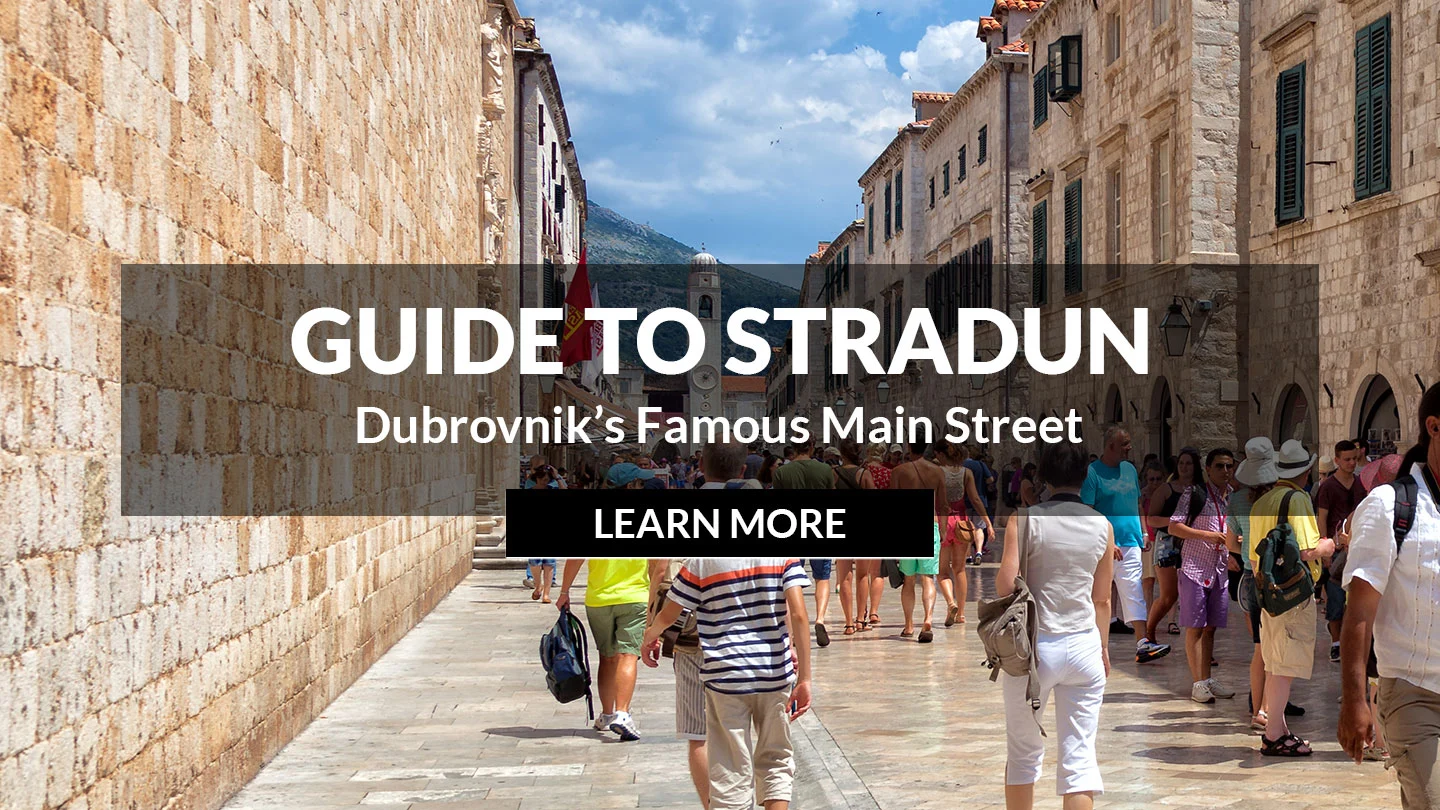
Also known as Placa, Stradun is the broad limestone street that runs through the center of Dubrovnik Old Town. Lined with elegant Baroque buildings, bustling cafes, and some of the city’s most important landmarks, it has been the social and cultural heart of Dubrovnik for centuries.
For first-time visitors, Stradun is more than just a beautiful street. It is the perfect starting point for exploring the history, architecture, and atmosphere that make Dubrovnik one of the most remarkable destinations in the Mediterranean.
Whether you are visiting for a few hours or spending several days in the city, understanding Stradun will help you appreciate why Dubrovnik is known as the Pearl of the Adriatic.
Quick Answer: Stradun is Dubrovnik’s main street, located in the center of Old Town. It stretches from Pile Gate to Ploče Gate and connects many of the city’s most famous attractions, including Onofrio’s Fountain, the Franciscan Monastery, Orlando’s Column, and the Rector’s Palace.
What Is Stradun?
Stradun is the principal pedestrian street of Dubrovnik Old Town. It runs east to west for approximately 300 meters and serves as the central artery of the historic city.
The street is paved with polished limestone that reflects the sunlight beautifully, giving it a distinctive glow, especially in the early morning and evening.
Today, Stradun is where visitors and locals come together to:
- Explore historic monuments
- Enjoy outdoor cafes
- Attend festivals and celebrations
- Begin guided walking tours
- Experience the atmosphere of Dubrovnik
It is impossible to visit Dubrovnik without walking along Stradun at least once, and many travelers return several times during their stay because the street feels different throughout the day.
Where Is Stradun Located?
Stradun is situated in the center of Dubrovnik Old Town, a UNESCO World Heritage Site.
It begins near Pile Gate, the main entrance to the city, and extends to Ploče Gate on the eastern side.
Because most visitors enter through Pile Gate, Stradun is often the first impression they have of Dubrovnik. Stepping onto the gleaming stone street and seeing the symmetrical facades stretching ahead is one of the most memorable moments of any trip.
The History of Stradun
Stradun has a fascinating history that reflects the development of Dubrovnik itself.
From Sea Channel to Main Street
In the early Middle Ages, the area where Stradun stands today was actually a narrow sea channel separating two settlements.
Over time, the channel was filled in, connecting the settlements and creating a central thoroughfare. This transformation laid the foundation for the unified city that later became the Republic of Ragusa, one of the most influential maritime republics in the Adriatic.
Rebuilding After the 1667 Earthquake
A devastating earthquake struck Dubrovnik in 1667, destroying much of the city.
When Dubrovnik was rebuilt, Stradun was reconstructed with the elegant and harmonious Baroque architecture that visitors admire today. The nearly identical facades on both sides of the street create a unique sense of balance and visual unity.
Why Stradun Is So Famous
Stradun is famous because it combines history, architecture, and daily life in one unforgettable setting.
Unlike many historic streets that feel like museums, Stradun remains an active part of the city. Residents stroll here, festivals take place here, and visitors gather here from around the world.
Its significance comes from:
- Its role as Dubrovnik’s main street
- Beautiful Baroque architecture
- Important landmarks at both ends
- UNESCO-protected setting
- Vibrant atmosphere throughout the year
Top Attractions on Stradun
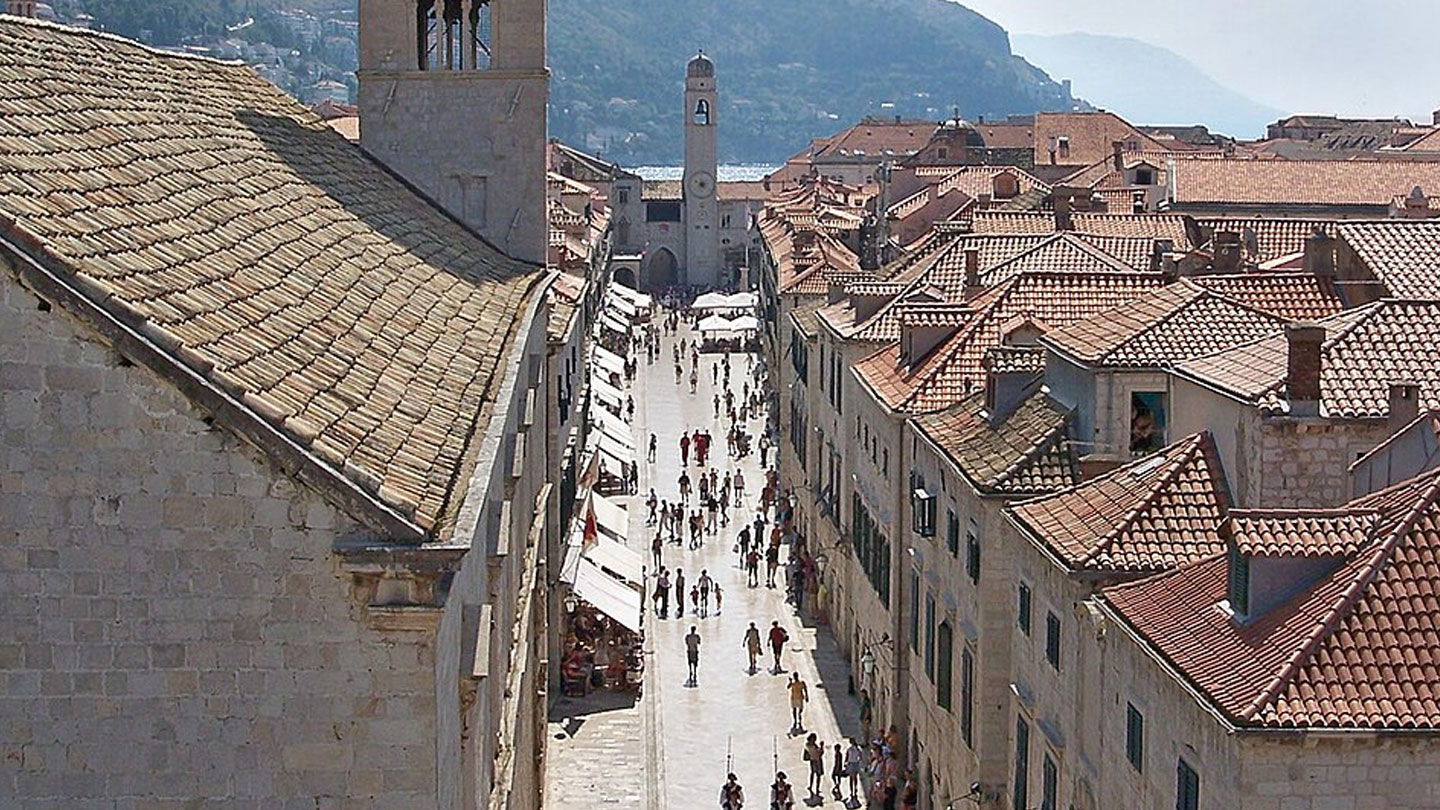
Walking along Stradun introduces you to many of Dubrovnik’s most important landmarks.
Onofrio’s Large Fountain
Located near Pile Gate, Onofrio’s Fountain was built in the 15th century as part of the city’s advanced water supply system.
It remains a popular meeting point and a refreshing stop, especially during the summer.
Franciscan Monastery
Adjacent to the fountain, the Franciscan Monastery houses one of the oldest pharmacies in Europe, operating since 1317.
St. Saviour Church
This small Renaissance church survived the 1667 earthquake and stands as one of the city’s oldest intact structures.
Orlando’s Column
Situated near the eastern end of Stradun, this stone column symbolizes Dubrovnik’s independence and civic pride
Sponza Palace
One of Dubrovnik’s finest buildings, Sponza Palace blends Gothic and Renaissance architecture.
Rector’s Palace
The former seat of government for the Republic of Ragusa, the Rector’s Palace offers fascinating insight into Dubrovnik’s political history.
Best Time to Visit Stradun
Stradun is beautiful at any time, but each part of the day offers a different experience.
Early Morning
The best time for peaceful walks and photography. The stone pavement glows softly, and crowds are minimal.
Late Afternoon
The sunlight is warmer, creating excellent conditions for photos.
Evening
Stradun becomes especially romantic as lights illuminate the historic buildings and cafes fill with visitors.
During Festivals
Major events such as the Dubrovnik Summer Festival and New Year’s celebrations transform Stradun into the city’s main stage.
Practical Tips for Visiting Stradun
To make the most of your visit, keep these tips in mind.
Wear Comfortable Shoes
The limestone surface can become slippery when polished by millions of footsteps, especially if wet.
Visit Early in Summer
Dubrovnik can become very crowded during peak season. Early mornings provide a more relaxed experience.
Bring Water and Sun Protection
The Old Town has limited shade, particularly during the hottest months.
Look Beyond the Main Street
Some of the most charming corners of Dubrovnik are hidden in the narrow alleys branching off Stradun.
Best Photo Spots on and Around Stradun
Stradun offers excellent opportunities for memorable photographs.
From Onofrio’s Fountain
Capture the entire length of the street.
From the Bell Tower Area
Ideal for photos featuring Orlando’s Column and the eastern end of Stradun.
From the City Walls
One of the best panoramic views of Stradun and the red rooftops of Dubrovnik.
Early Morning Reflections
The polished limestone creates stunning reflections when the street is quiet.
Stradun at Night
After sunset, Stradun takes on a magical atmosphere.
Warm lighting reflects off the smooth stone, musicians sometimes perform nearby, and the pace of the city becomes more relaxed.
For many travelers, an evening stroll along Stradun is one of the most memorable experiences in Dubrovnik.
Cafes and Restaurants on Stradun
Stradun is lined with cafes where visitors can sit and watch the world go by.
While prices are generally higher than in quieter parts of the city, the experience of enjoying coffee or a glass of Croatian wine in such a historic setting is well worth it.
For a more local atmosphere, consider exploring the side streets just off Stradun.
How Long Should You Spend on Stradun?
Most visitors walk the length of Stradun in about 10 minutes.
However, to truly appreciate the landmarks, atmosphere, and nearby attractions, allow at least one to two hours.
If you visit museums, churches, and the City Walls, you can easily spend half a day exploring this part of Dubrovnik.
Stradun vs Other Famous European Streets
What makes Stradun unique is its combination of architectural harmony and historical significance.
Unlike larger urban boulevards, Stradun retains an intimate feel. Every building contributes to a cohesive aesthetic, and the street remains fully integrated into the living fabric of the city.
Few places in Europe offer such a well-preserved and immersive historical environment.
Why Explore Stradun with a Local Guide?
At first glance, Stradun is undeniably beautiful. But much of its meaning lies in the stories hidden behind its buildings and monuments.
A knowledgeable local guide can explain:
- How Dubrovnik became a powerful maritime republic
- The symbolism of Orlando’s Column
- The significance of the 1667 earthquake
- Architectural details that most visitors overlook
- Legends and traditions of the city
What may seem like a simple walk becomes a far richer and more engaging experience.
Visitors who want to experience the history and atmosphere of Dubrovnik beyond the surface often choose guided experiences with Feel Duguidedbrovnik Tours. Exploring Stradun with a knowledgeable local guide helps visitors better understand the stories, architecture, and hidden details that make Dubrovnik one of the most fascinating cities in the Adriatic. You can view reviews, photos, and location details directly on our Google Business Profile below.
Discover Stradun on a Private Dubrovnik Walking Tour
If you want to experience the history and character of Dubrovnik in a deeper and more personal way, joining a private walking tour is an excellent choice.
The Dubrovnik Walking Tour with Local Guide: From Stradun to the City Walls by Feel Dubrovnik takes you through the city’s most iconic landmarks while sharing the stories that shaped this extraordinary destination.
In 90 to 120 minutes, you will explore Stradun, wander through the hidden lanes of Old Town, and enjoy spectacular views from the City Walls with insights from a passionate local guide.
This experience is ideal for couples, families, and small groups who want an authentic introduction to Dubrovnik.
Stradun is much more than Dubrovnik’s main street.
It is the historical, cultural, and emotional center of the city. Every step along its gleaming limestone pavement reveals another chapter in Dubrovnik’s remarkable story.
Whether you visit at sunrise, during a summer festival, or under the evening lights, Stradun leaves a lasting impression.
And if you want to go beyond the surface and truly understand the history behind the beauty, exploring it with a local guide is one of the most rewarding experiences you can have in Dubrovnik.